

1.Startup Fault
The startup fault of IGBT series resonant power cabinet mainly includes startup fault without alarm and startup fault with alarm. The most frequent root cause for a non-alarming startup fault is an operational error, specifically a deviation from the Standard Operating Procedure (SOP). If alarm lights are flashing, the system is in an active protection state, preventing startup due to an unresolved underlying issue.
How to resolve the startup fault ?
If no alarms are present, meticulously review and follow the Standard Operating Procedure (SOP) for equipment startup. Ensure the power adjustment knob is at zero before starting, and the sequence of operations (e.g., Cooling Water ON → Control Switch ON → Main Breaker ON) is strictly followed.
If alarm lights are flashing, access the HMI's "Alarm History" to identify the specific fault code and type. And then take corresponding measures to solve it.
2. Equipment Fault Alarm
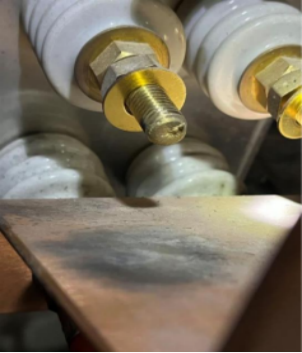
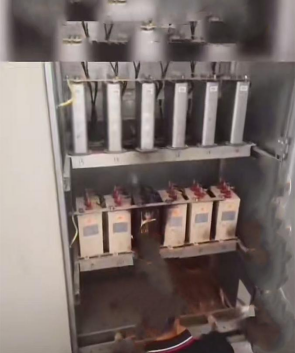
The equipment fault alarms indicate internal malfunctions within the power supply unit, typically related to power electronics components or issues within the furnace itself. Equipment fault alarms are identified by specific messages on the HMI, such as "Inverter Over-voltage," "Inverter Over-current," "Inverter Fault," and "Rectifier Over-current." A critical indicator is the LD13 yellow LED on the main board, which signals Module Drive Protection, often pointing to a potential IGBT failure. Visible signs of component damage, such as burnt marks on components, bulging capacitors, or arcing/discharge phenomena within the furnace body, also serve as key indicators.
How to resolve the equipment fault alarm ?
Begin by carefully inspecting the power cabinet for any obvious signs of burnt components, bulging capacitors, or other visible damage.
Examine the furnace body for any blackening, burnt insulation rods, or signs of lining penetration or arcing.
Regularly perform detailed electrical measurements of thyristors, IGBTs, and capacitors.
3. Heat Dissipation System Fault
The main manifestations of the heat dissipation system fault are that the fan does not start, the temperature of the heat dissipation is too high, and the IGBT frequently triggers the overheat protection.
How to resolve the Heat Dissipation System Fault ?
Regularly check the fan power supply line, replace the aging fan, and clear the air duct blockage.
Shut down and let it sit for 30 minutes, then press the "Fault Reset" button and then restart.