

Home
Products
Aluminum Shell Induction Melting Furnace
Medium Frequency Induction Melting Aluminum Shell Furnace
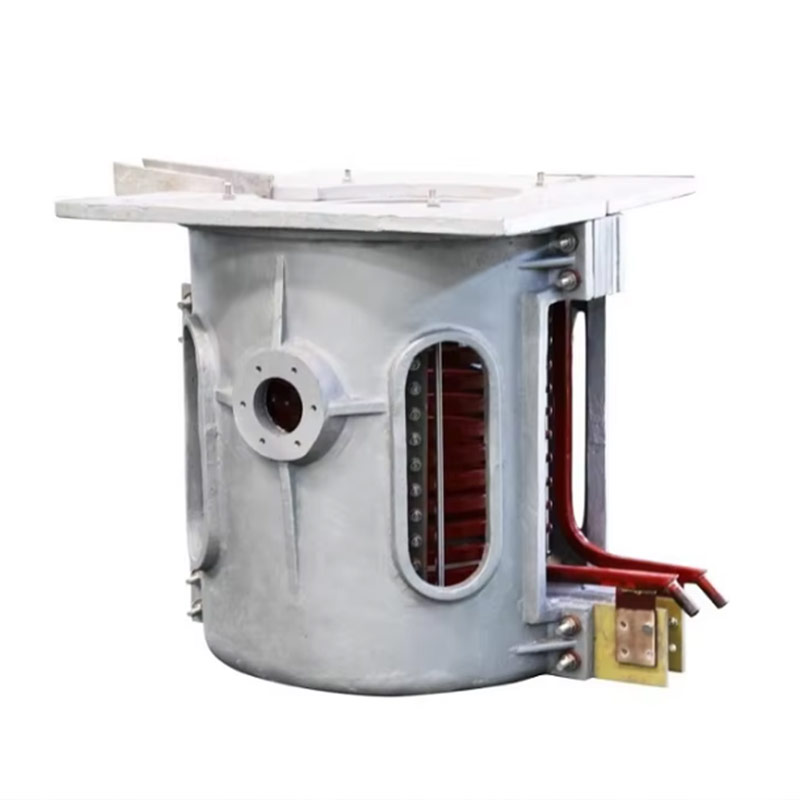

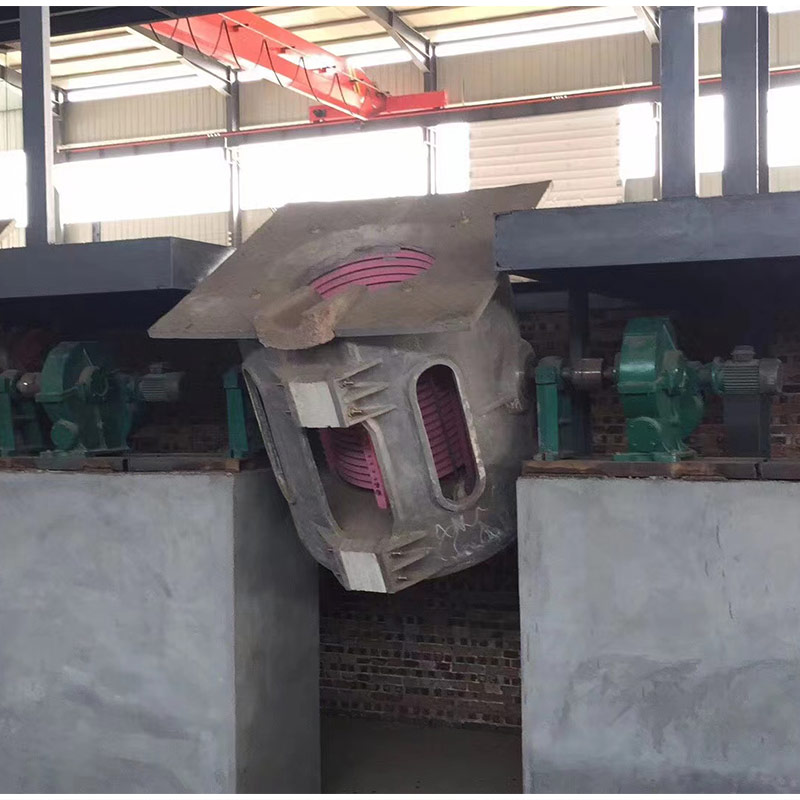
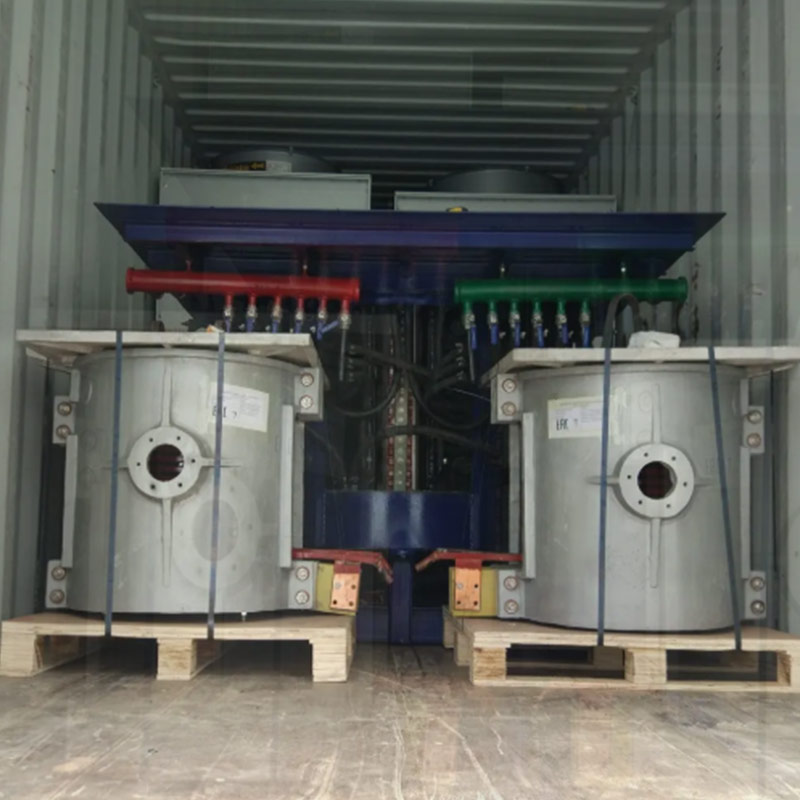
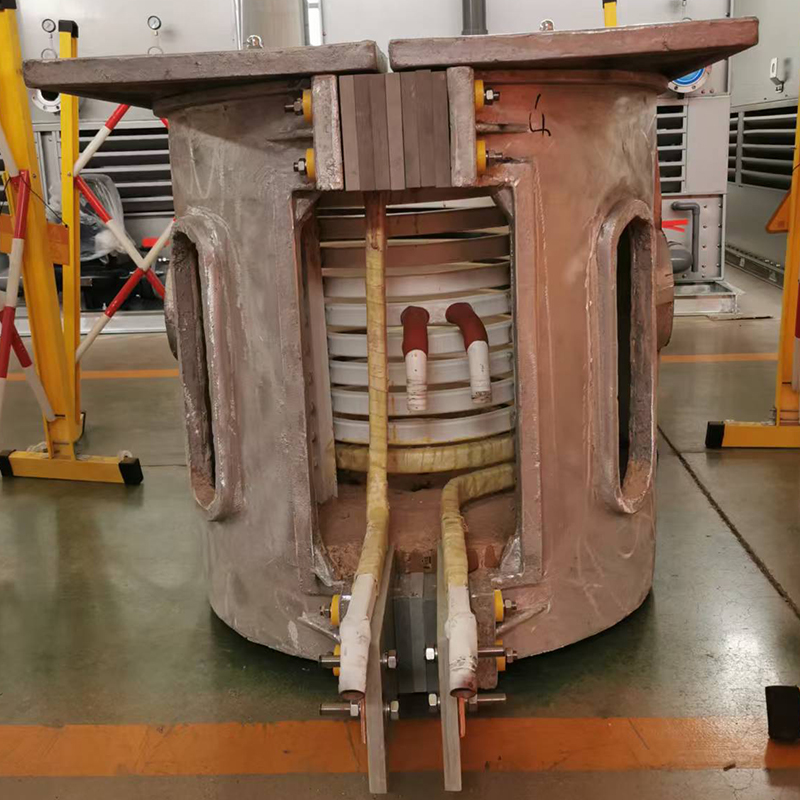
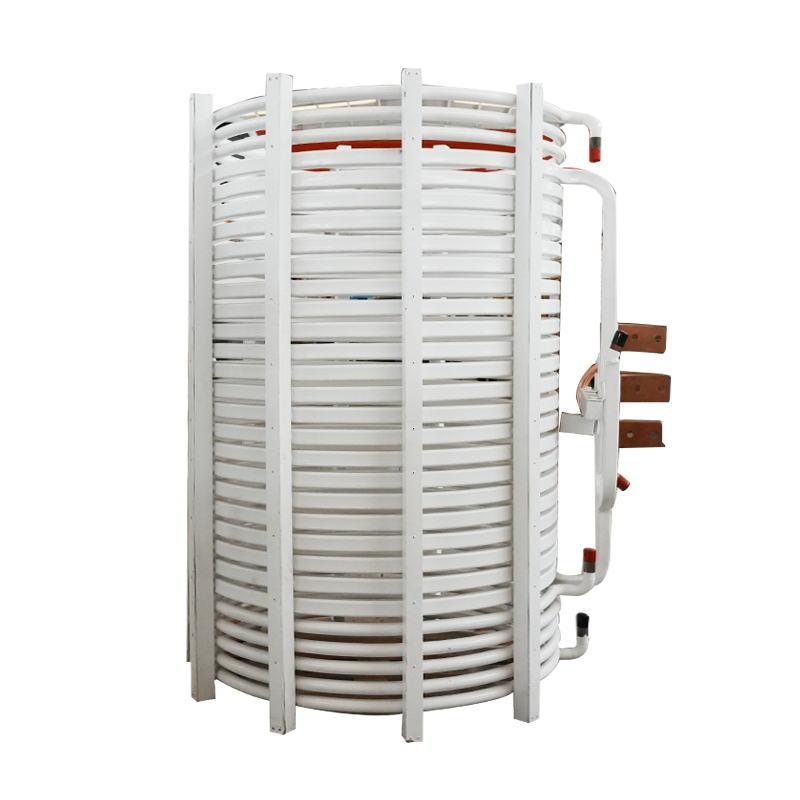
In the field of metal smelting equipment, medium-frequency induction melting aluminum shell furnace, with their core characteristics of flexibility, efficiency, and controllable cost, have become the preferred equipment for small-to-medium tonnage metal smelting scenarios. Especially in the smelting and processing of non-ferrous metals such as aluminum alloys and copper alloys, their adaptability and economy are significantly superior to traditional industrial frequency furnaces and large steel-shell medium-frequency furnaces, widely serving multiple industries such as automobile manufacturing and precision casting.
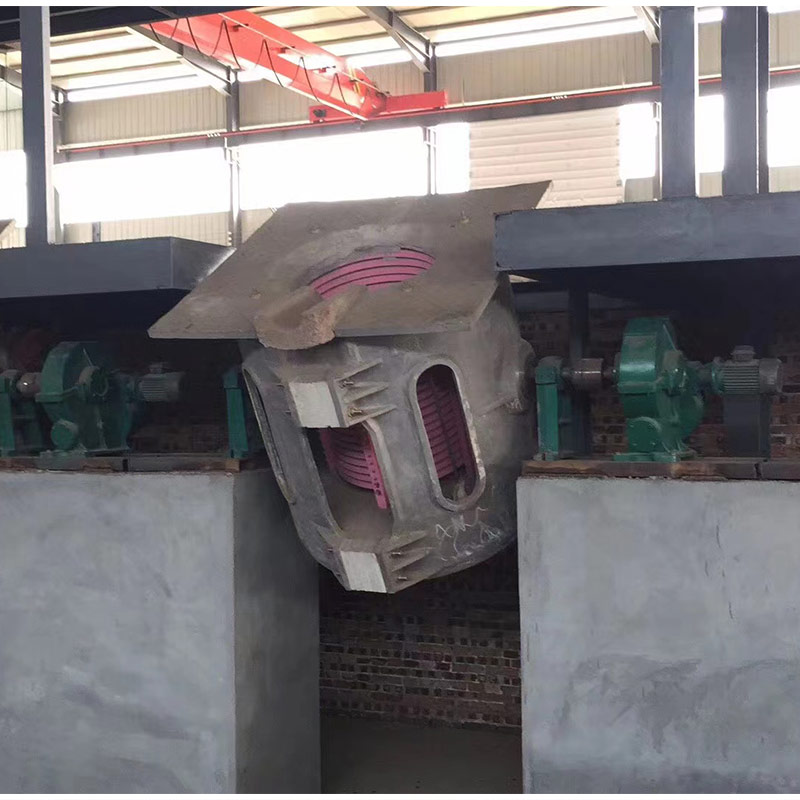
I. Working Principle: High-Efficiency Energy Conversion through Electromagnetic Induction
The core working logic of the induction melting aluminum shell furnace is based on the law of electromagnetic induction and resonance technology, achieving efficient conversion of electrical energy into heat energy.
II. Core Structure: Modular Combination with Lightweight Design
The medium-frequency melting aluminum shell furnace adopts a modular structure design, consisting of four core components. Compared to steel-shell furnaces, aluminum shell furnace eliminates complex components such as magnetic yokes and hydraulic stations, resulting in a simpler structure, lighter weight, and suitability for small-tonnage smelting needs.
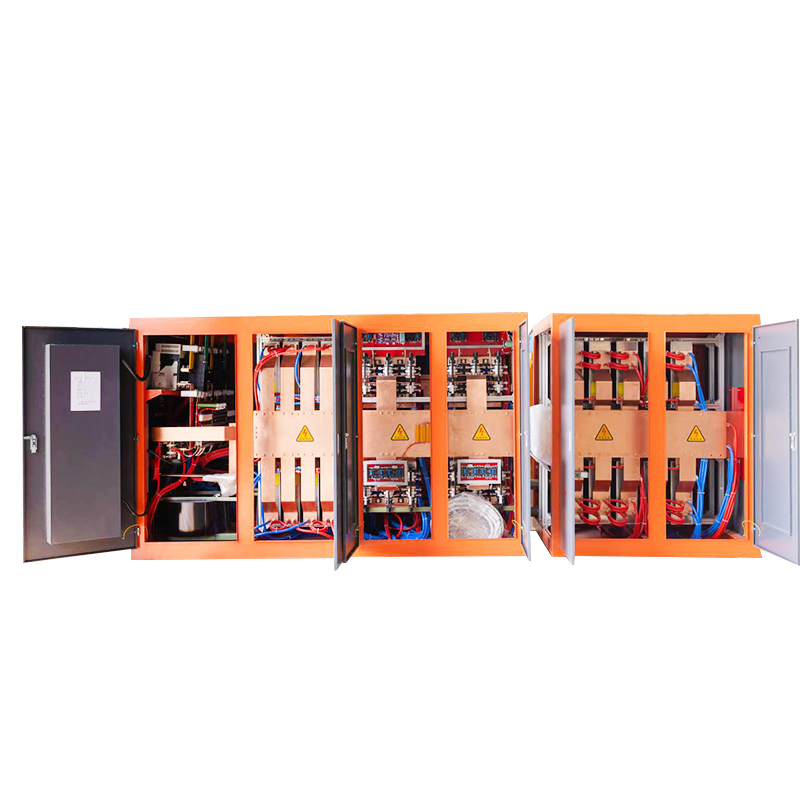
1. Medium-Frequency Power Supply Cabinet
As the "power center" of the induction melting aluminum shell furnace, it includes core components such as a rectifier module, inverter module, filter inductor, and control circuit board.
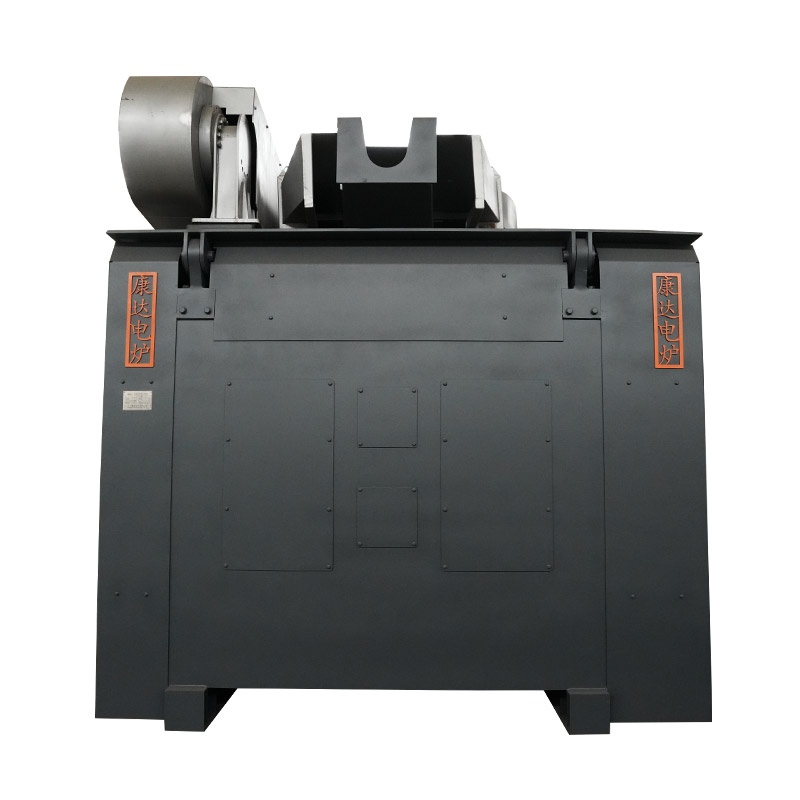
2. Aluminum Shell Furnace Body: The furnace shell is welded from high-strength aluminum alloy, consisting of an upper and lower spliced structure. It offers excellent overall sealing and is easy to disassemble and maintain. The furnace interior is lined with refractory material to insulate against high temperatures and protect the furnace shell. However, because the aluminum shell is prone to oxidation and deformation at high temperatures, the lining wears out relatively quickly, with an average replacement cycle of approximately 40 furnace cycles. Support shafts and reducers are installed on both sides of the furnace body, allowing for 0-95° tilting pouring via manual or electric operation. This convenient operation is suitable for pouring small to medium-sized castings.
3. Compensation Capacitor Bank: This bank forms a parallel resonant circuit with the induction coil. Its core function is to compensate for the reactive power of the induction coil, improve the circuit's power factor, and reduce energy loss.
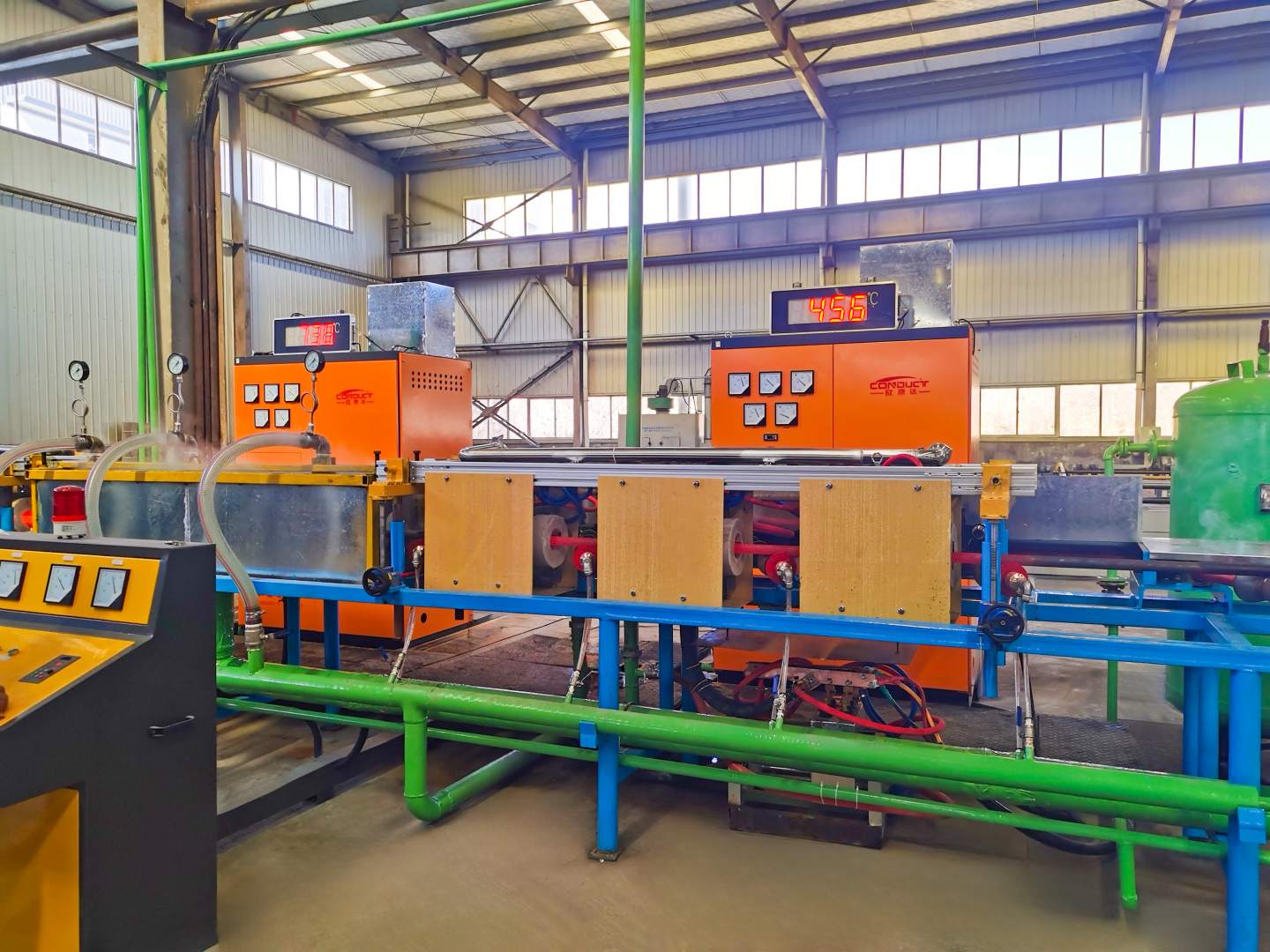
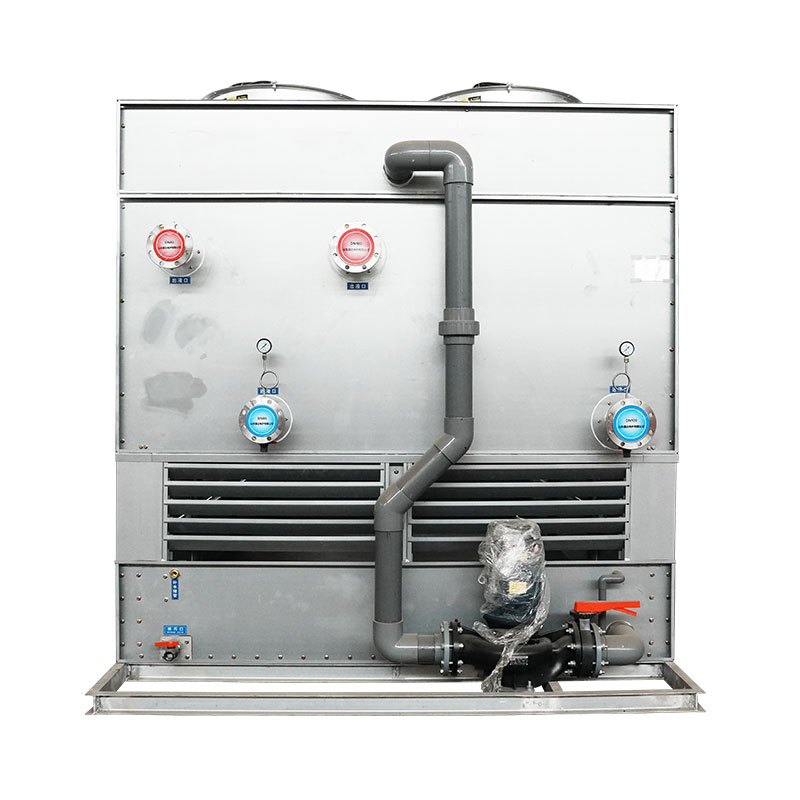
4. Auxiliary System: This includes components such as water-cooled cables, a tilting control box, and cooling water pipes.
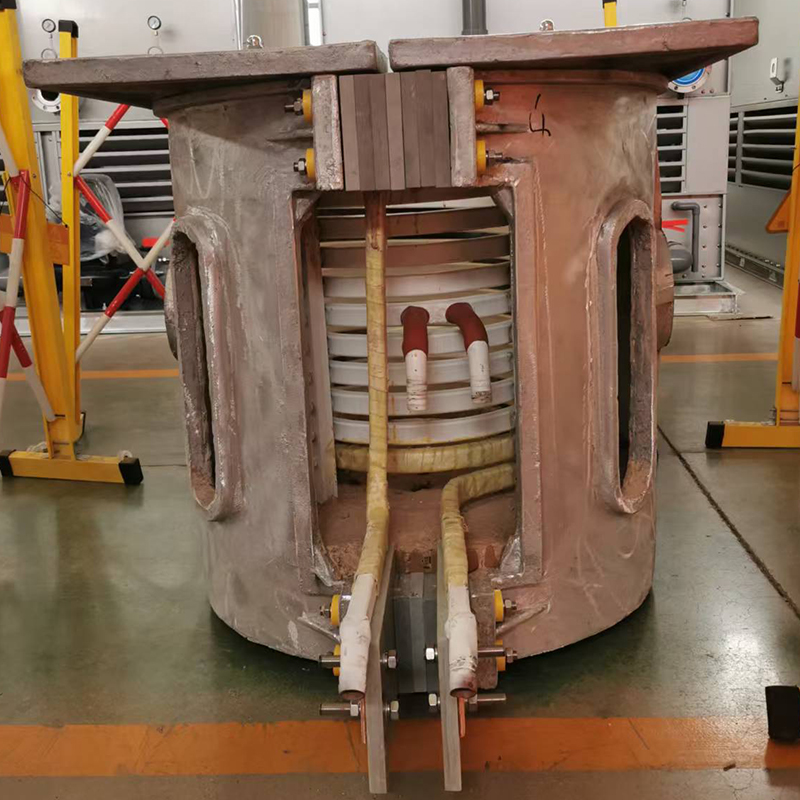
III. Performance Advantages: A Cost-Effective Choice for Small to Medium-Sized Scenarios
The advantages of medium-frequency induction melting aluminum shell furnaces are concentrated in cost control, operational flexibility, and adaptability. They also meet current industrial standards in terms of energy efficiency and environmental protection, specifically:
1. Significant Cost Advantages and Low Investment Threshold
Compared to steel shell furnaces, induction melting aluminum shell furnaces eliminate components such as magnetic yokes and hydraulic systems, reducing manufacturing costs by 30%-50%. The medium-frequency melting aluminum shell furnace is also lightweight, easy to install, and requires no complex foundation engineering, significantly reducing initial investment and installation costs.
2. Flexible Operation and Adaptability to Multiple Melting Varieties
Medium Frequency Melting Aluminum Shell Furnaces start and stop quickly, reducing the time from room temperature to melting temperature by 20%-30% compared to industrial frequency furnaces. They also allow for rapid material changes and production conversions, adapting to the melting needs of various non-ferrous metals such as aluminum alloys, copper alloys, and zinc alloys, achieving a melting purity of up to 99.9%. For small-batch, multi-variety production scenarios, the flexibility of aluminum shell furnaces is particularly prominent, effectively improving production efficiency.
3. Energy Efficiency Meets Environmental Policies: Mainstream models in the 750kW-1500kW power range can reduce electricity consumption per ton of aluminum to below 580kWh, a 23% improvement in energy efficiency compared to traditional industrial frequency furnaces. Furthermore, the medium-frequency induction melting aluminum shell furnace operates without open flames and emits minimal smoke and dust. With the addition of dust removal devices, green production can be achieved, meeting current environmental policy requirements.
4. Compact Size and High Space Utilization: The aluminum shell melting furnace has a simplified structure, occupying only 70% of the floor space of a steel shell furnace of the same tonnage. It does not require a separate hydraulic station, making it suitable for production scenarios with limited workshop space.
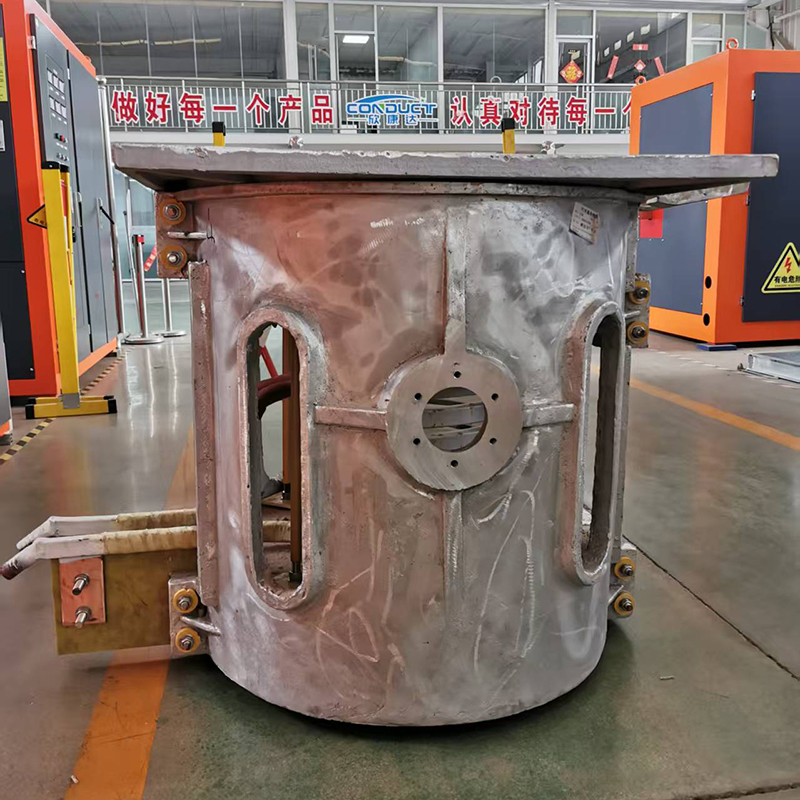
IV. Application Scenarios: Focusing on the Small and Medium Tonnage Market
Medium-frequency melting aluminum shell furnaces are primarily suitable for small and medium tonnage smelting needs below 2T. They are widely used in non-ferrous metal processing, precision casting, and other fields, such as automotive parts manufacturing, precision casting and hardware processing, non-ferrous metal deep processing, aerospace, and medical equipment.
With its high cost-effectiveness and flexible adaptability, the medium-frequency melting aluminum shell furnace occupies an irreplaceable position in the field of small and medium-tonnage metal smelting. With technological upgrades and stricter environmental policies, aluminum shell melting furnace will develop towards higher efficiency and higher-end features, providing core equipment support for the transformation and upgrading of the manufacturing industry.
Contact us now to customize your medium-frequency induction melting aluminum shell furnace!